Why Rest Makes High Achievers Feel Anxious
For many high achievers, rest does not feel relaxing. It feels uncomfortable.
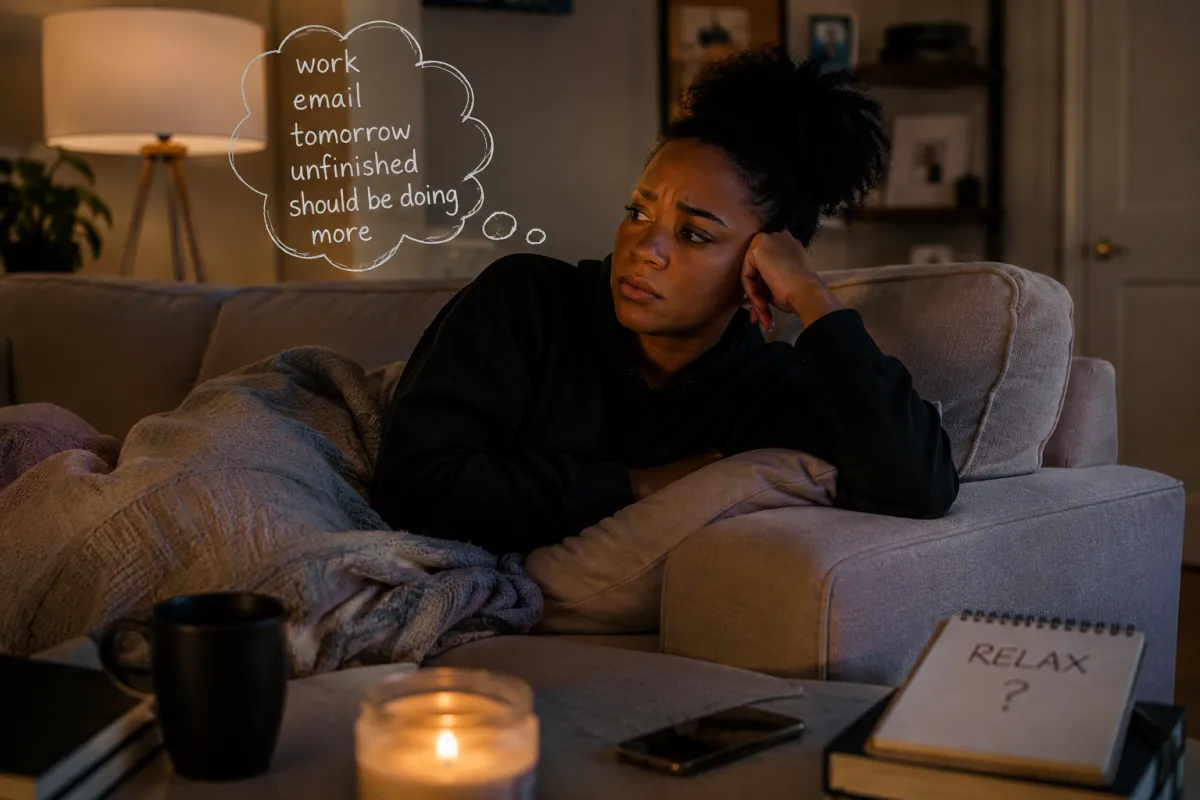
You may finally sit down after a long day and immediately feel restless, guilty, or mentally on edge. Your mind starts drifting toward unfinished tasks, future responsibilities, or thoughts about what you “should” be doing instead.
You may even notice the urge to check your phone, think about work, or mentally prepare for tomorrow the moment things become quiet.
At Mind Stretch Psychology, many high achievers describe feeling more anxious during downtime than during work itself. Often, this happens because the mind and body become so used to stress and productivity that slowing down starts to feel unfamiliar.
Rest Feels Uncomfortable for High Achievers
High achievers often spend years in environments that reward constant performance, responsiveness, and productivity.
Over time, staying busy can begin to feel emotionally stabilizing. Productivity creates structure, momentum, and a sense of control. Slowing down can feel unfamiliar because your nervous system has learned to associate movement with functioning well.
This is one reason rest can start to feel uncomfortable instead of calming.
Anxiety Becomes More Noticeable During Rest
During busy periods, your attention stays focused outward on tasks, deadlines, and responsibilities. Rest removes those distractions.
The moment things become quiet, your attention often shifts inward. Thoughts, stress, and anxiety that were easier to ignore during the day become much more noticeable. This is when many high achievers begin replaying conversations, worrying about future decisions, or mentally reviewing everything they still need to do.
The anxiety may have already been present. Rest simply creates enough space to finally notice it.
Rest Can Trigger Guilt and Shame in High Achievers
For many high achievers, rest does not just feel unfamiliar. It can bring up guilt and shame. You may feel like you need to finish more, accomplish more, or stay productive longer before you are “allowed” to relax. Even downtime can feel undeserved.
Because of this, self-worth can become closely tied to achievement and productivity. When that happens, slowing down may trigger thoughts that you are being lazy, falling behind, or not doing enough, even when you are exhausted.
For many high achievers, the anxiety around rest is not only about stopping. It is about what stopping seems to say about who they are.
Overthinking Makes Rest Hard for High Achievers
A lot of high achievers respond to anxiety by trying to mentally solve it.
You may tell yourself to relax, analyze why you feel stressed, or try to think through every unresolved detail before allowing yourself to rest.
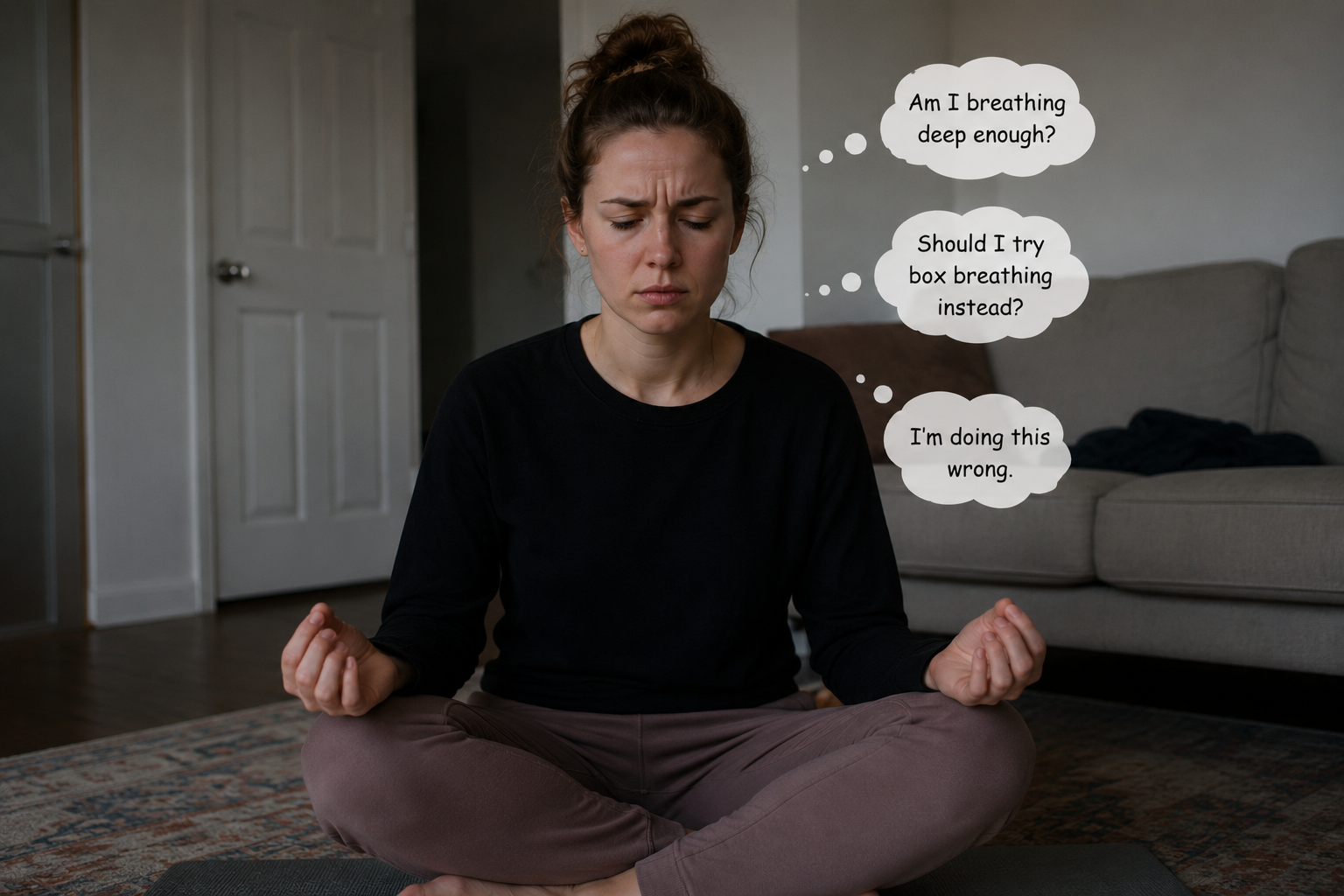
For some high achievers, even rest itself becomes something to optimize. You may wonder:
“Am I relaxing the right way?”
“Am I using my time effectively enough?”
“Am I doing mindfulness or meditation correctly?”
“Should I be doing something more productive instead?”
Instead of helping you disengage, this often keeps your mind even more active. Overthinking can temporarily create the feeling that you are gaining control, though it usually keeps anxiety going instead of settling it. This is especially common in high achievers struggling with perfectionism, where even rest can start to feel like something you need to do correctly rather than experience naturally.
If this pattern feels familiar, it may help to explore why you can’t think your way out of anxiety and why more thinking does not always create more relief.
Burnout Makes Rest Feel Stressful for High Achievers
When burnout becomes chronic, your mind and body can become so depleted from prolonged stress and overworking that even things you used to enjoy feel draining. Hobbies, vacations, weekends, social plans, or even leaving the house may require significant effort instead of creating relief.
For many high achievers, burnout pushes the brain and body into a kind of shutdown or survival mode where everything feels mentally and emotionally exhausting. Instead of rest feeling rejuvenating, it can feel frustrating, uncomfortable, or emotionally flat because your system no longer has the energy to fully recover the way it used to.
This is also why many signs of burnout high achievers ignore are easy to overlook until exhaustion becomes difficult to manage.
Therapy Helps High Achievers Feel Less Anxious During Rest
Therapy helps high achievers understand why rest feels uncomfortable in the first place.
Instead of forcing yourself to relax, therapy focuses on recognizing the patterns connecting anxiety, productivity, pressure, and self-worth. Over time, many high achievers learn how to slow down without feeling guilty, restless, or mentally activated.
Many people seeking therapy for high achievers with anxiety notice that rest gradually begins to feel more restorative as anxiety and internal pressure decrease.
Anxiety Therapy for High Achievers in Washington DC, Utah, and all PSYPACT locations
Therapy at Mind Stretch Psychology focuses on helping you reduce mental pressure, respond differently to anxiety, and maintain performance without relying on constant overthinking.
Follow these three simple steps to get started:
Schedule a free 15 minute consultation to see if anxiety therapy is right for you.
Start coping with your stress as a high achiever.
Other Services Offered at Mind Stretch Psychology
At Mind Stretch Psychology we want to help you thrive. In addition to helping you manage burnout and improve performance as a high achiever, we also offer services for those navigating anxiety, perfectionism, trauma, expat and TCK experiences, and more.